


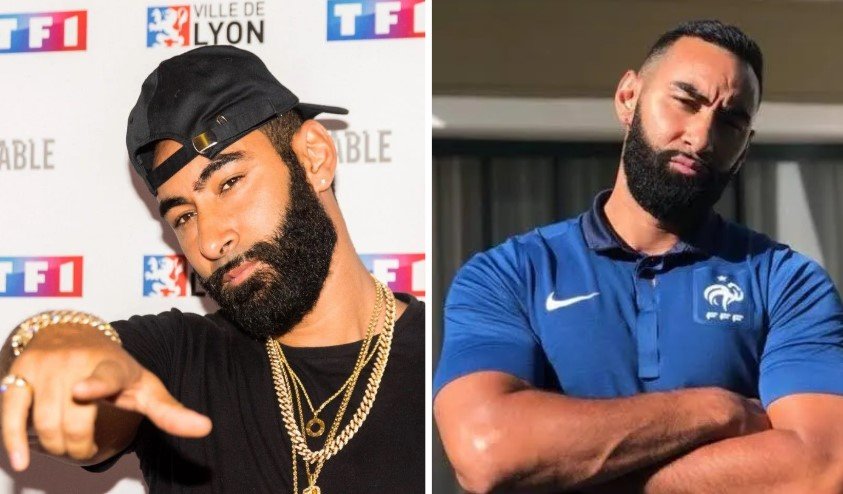
In the dynamic world of French hip-hop, few artists have managed to maintain relevance, resilience, and raw authenticity quite like La Fouine. Known for his versatility, emotional depth, and street wisdom, La Fouine has become a staple in French rap culture. His journey from the tough neighborhoods of Trappes to becoming one of the country’s most successful rappers and entrepreneurs is nothing short of inspiring.
Quick Bio
| Full Name | Laouni Mouhid |
|---|---|
| Stage Name | La Fouine |
| Date of Birth | December 25, 1981 |
| Place of Birth | Trappes, Yvelines, France |
| Age (as of 2025) | 43 years old |
| Nationality | French (of Moroccan descent) |
| Profession | Rapper, Singer, Actor, Entrepreneur |
| Genres | French Hip-Hop, Rap, Trap, Pop-Rap |
| Years Active | 1998 – Present |
| Associated Acts | Booba, Rohff, Fababy, Sultan, Youssoupha |
| Famous For | Albums Aller-Retour, Drôle de parcours, La Fouine vs Laouni |
Early Life and Background
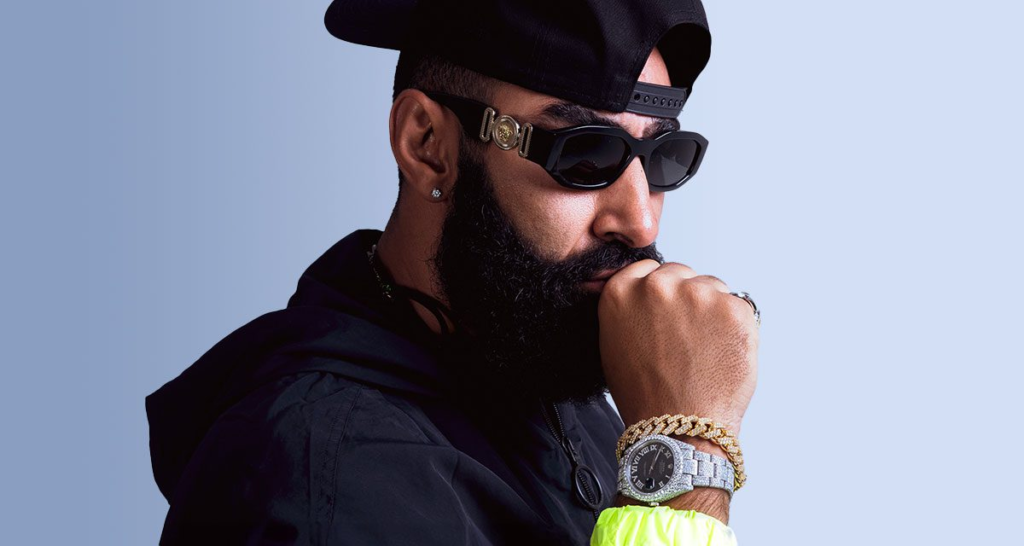
La Fouine, whose real name is Laouni Mouhid, was born on December 25, 1981, in Trappes, a suburb located in the Yvelines department near Paris. Coming from a Moroccan family, La Fouine grew up in a multicultural environment that shaped both his identity and his music.
Trappes, known for its challenges and strong sense of community, became the backdrop of La Fouine’s early life. He often described his upbringing as difficult but formative, where he witnessed both hardship and inspiration. His parents instilled in him a sense of discipline, while the street culture around him sparked his creativity and determination to rise above his circumstances.
Growing up in this environment taught La Fouine valuable lessons about resilience, humility, and authenticity — qualities that would later define his career in music.
Education and Early Interests
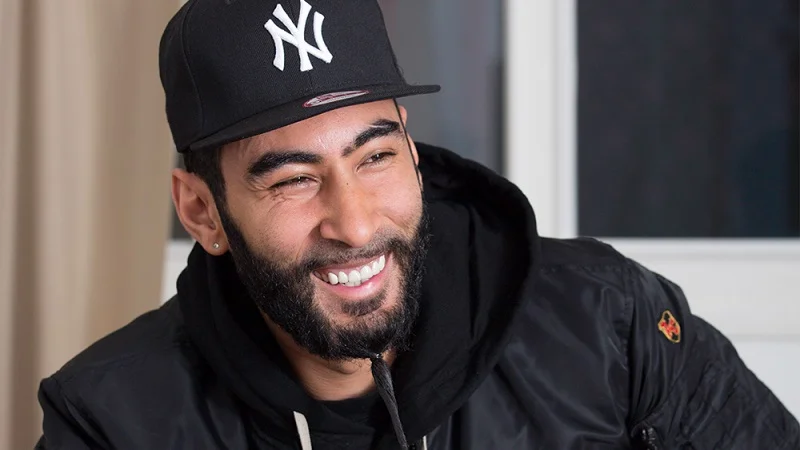
As a child, La Fouine was not particularly drawn to academics. He dropped out of school at a young age, which he has spoken about openly in interviews. However, his early passion for writing, poetry, and storytelling became the foundation for his lyrical talent.
In the mid-1990s, French rap was booming, with artists like IAM, NTM, and MC Solaar leading the movement. La Fouine was heavily influenced by this new wave of French hip-hop, as well as by American rappers such as Tupac Shakur and Nas.
He began writing his first lyrics during his teenage years, using rap as an outlet to express his emotions, frustrations, and dreams. The early exposure to both French and American hip-hop cultures helped him develop a style that was personal yet universal.
The Beginning of His Music Career

The professional career of La Fouine started in the late 1990s when he began performing at local events and freestyle battles. His raw flow, unique voice, and heartfelt lyrics quickly caught attention within the Parisian underground rap scene.
Despite early struggles and limited opportunities, La Fouine’s dedication never wavered. His perseverance paid off when he began releasing mixtapes that earned him credibility and respect among hip-hop enthusiasts. His early music reflected his life experiences — touching on poverty, dreams, and redemption — and audiences connected deeply with his authenticity.
In the early 2000s, La Fouine signed with Sony Music France, marking a turning point in his career. This partnership allowed him to reach a wider audience and refine his sound while staying true to his roots.
Rise in the French Rap Scene
The 2000s marked a period of rapid growth for La Fouine, who quickly became one of the most prominent voices in French rap. His first major studio album, Bourré au Son (2005), introduced him to the mainstream with powerful tracks that blended introspection and energy.
His next album, Aller-Retour (2007), was a breakthrough success. It featured hits like Reste en chien and Qui peut me stopper, which earned widespread radio play and solidified his status as a national rap figure.
By the time he released La Fouine vs Laouni (2011), he had already mastered the balance between commercial appeal and lyrical depth. The double album showcased two sides of his personality — “La Fouine,” the street rapper, and “Laouni,” the introspective artist. This creative concept resonated strongly with fans, helping him reach the top of the French charts.
Major Albums and Hit Songs
Over two decades, La Fouine has built an impressive discography filled with hit albums and memorable tracks. Some of his most celebrated works include:
- Aller-Retour (2007): The album that catapulted him into the spotlight with street anthems and personal reflections.
- La Fouine vs Laouni (2011): A concept album exploring duality — toughness and vulnerability.
- Drôle de parcours (2013): A deeply personal project dedicated to his late mother, showing a more emotional side of the artist.
- Nouveau Monde (2016): A project that reflected growth and maturity, blending modern trap influences with his classic lyrical touch.
Throughout his career, songs like Tombé pour elle, Ma meilleure (featuring Zaho), and Papa became instant hits, showcasing his ability to connect with both mainstream listeners and hip-hop purists.
Musical Style and Lyrical Themes
The music of La Fouine is characterized by its emotional storytelling, melodic hooks, and authentic representation of urban life. His lyrics often draw from his own experiences — childhood struggles, family values, fame, and redemption.
One of his strengths lies in his ability to balance hard-hitting rap verses with catchy, melodic choruses. He seamlessly blends street realism with introspection, appealing to a wide audience.
La Fouine’s versatility allows him to shift between aggressive rap and soft, reflective tracks. This duality — toughness and sensitivity — is one of the main reasons why fans across generations connect with his music.
Business Ventures and Acting Career
Beyond music, La Fouine has successfully ventured into entrepreneurship and acting. He founded his own record label, Banlieue Sale, which has supported upcoming talents in French hip-hop, including artists like Fababy and Sultan.
He also launched a clothing line called Street Swagg, inspired by urban fashion and culture. His ventures outside of music highlight his creativity and determination to expand beyond rap.
As an actor, La Fouine has appeared in several films and television shows, including Banlieue 13: Ultimatum and A toute épreuve. His charisma and street-smart persona translated naturally to the screen, earning him recognition as a multi-talented artist.
Age and Physical Appearance
As of 2025, La Fouine is 43 years old. He stands tall with an athletic build and maintains a stylish appearance that reflects both confidence and authenticity. His signature beard, tattoos, and streetwear fashion sense have become part of his iconic image.
Often seen wearing designer hoodies, sneakers, and accessories, La Fouine perfectly embodies the blend of luxury and street culture. His physical presence — charismatic and approachable — mirrors the duality of his personality: a man who has lived through struggle but emerged with strength and style.
Personal Life and Relationships
La Fouine keeps much of his personal life private, but he has always spoken lovingly about his daughter, whom he considers his greatest motivation. His relationship with her inspired one of his most touching songs, Papa, where he reflects on the challenges and joys of fatherhood.
Though he has been linked to a few relationships over the years, La Fouine tends to separate his public and private life. He is known to value loyalty, humility, and authenticity in both his music and relationships.
Outside the spotlight, he dedicates time to charity work and mentoring young artists, giving back to the community that raised him.
Awards and Achievements
Throughout his career, La Fouine has received numerous accolades and chart recognitions. His albums have achieved Gold and Platinum certifications, and he has performed at major festivals across France and Europe.
Beyond awards, his true achievement lies in longevity — maintaining relevance in an ever-changing music industry. He has built a loyal fanbase that spans generations, proving that real talent stands the test of time.
Impact on French Music and Culture
The influence of La Fouine extends far beyond music. As one of the first French rappers to successfully merge street rap with emotional storytelling, he paved the way for artists to explore vulnerability in hip-hop.
He represents diversity, ambition, and perseverance, serving as a role model for many young people in the suburbs of France. His lyrics often reflect the challenges of identity, belonging, and the pursuit of dreams — themes that resonate deeply with his audience.
La Fouine’s journey from Trappes to national fame embodies the power of hard work and authenticity. He remains one of the most respected and beloved figures in French rap culture.
Conclusion
From his humble beginnings in Trappes to becoming a multi-talented rapper, actor, and entrepreneur, La Fouine’s story is one of resilience, growth, and artistic brilliance. He continues to inspire fans through his music, his words, and his example.
La Fouine’s legacy is not just about fame — it’s about staying true to one’s roots, overcoming obstacles, and turning pain into poetry. His journey proves that success comes to those who dare to dream and work tirelessly to achieve it.
FAQs
Who is La Fouine?
La Fouine is a French rapper, singer, and entrepreneur known for his emotional lyrics and influence on modern French hip-hop.
What is La Fouine’s real name?
His real name is Laouni Mouhid, and he was born on December 25, 1981, in Trappes, France.
What is La Fouine’s nationality?
He is French with Moroccan roots, proudly representing both cultures in his music.
How did La Fouine start his music career?
He began with freestyle rap battles in the late 1990s before releasing his first album in 2005.
What are La Fouine’s most popular albums?
His biggest projects include Aller-Retour, La Fouine vs Laouni, and Drôle de parcours.
Has La Fouine worked with other artists?
Yes, he’s collaborated with Booba, Rohff, Zaho, and Youssoupha, among many others.
Does La Fouine have children?
Yes, he has a daughter, and his relationship with her has inspired songs like Papa.
What is La Fouine’s music style?
His style blends street rap, melodic pop-rap, and autobiographical storytelling.
How old is La Fouine?
As of 2025, La Fouine is 43 years old and continues to make music.
Why is La Fouine important in French rap?
He’s admired for his authenticity, longevity, and emotional depth, which shaped a generation of artists.
For More Update and Stories Visit: greenpress
