


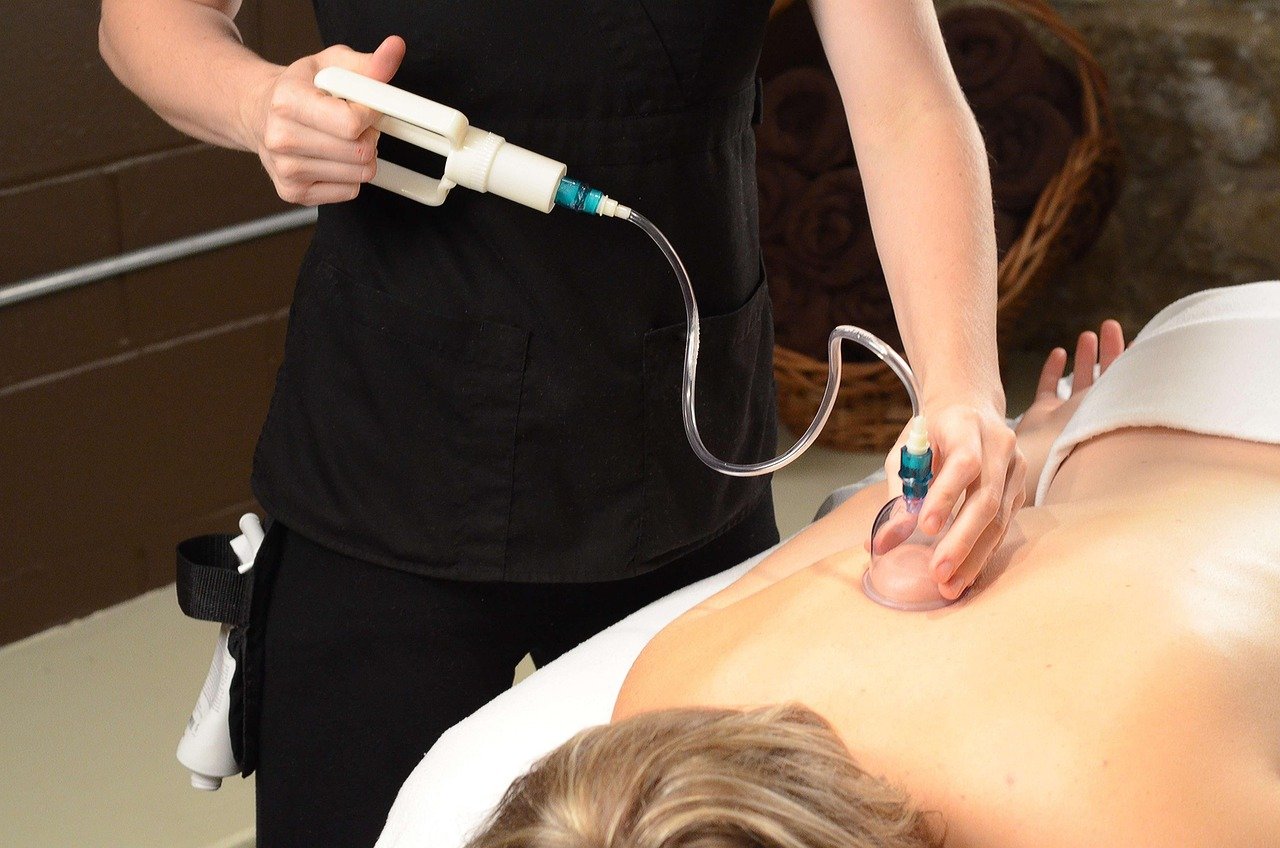
In recent years, Vacuum Therapy has become a popular non-invasive treatment used in both cosmetic and therapeutic settings. Many people turn to this technique for its potential to improve circulation, enhance skin appearance, and support body contouring. While results vary from person to person, vacuum therapy continues to gain attention for being a treatment that doesn’t require surgery, injections, or downtime.
What Vacuum Therapy Is and How It Works
Vacuum Therapy is a non-invasive technique that uses mechanical suction to gently lift the skin and underlying tissues. This suction helps stimulate circulation, support lymphatic flow, and create a temporary lifting effect in treated areas. Devices used in this process range from manual suction cups to advanced machines that rhythmically pulse and glide along the skin.
The procedure works by creating localized negative pressure, which pulls the skin upward. This stimulation may enhance oxygen flow to the tissue and encourage temporary plumping of the skin. In cosmetic settings, vacuum therapy is commonly used for body contouring, especially for areas like the buttocks, thighs, and abdomen. In therapeutic environments, similar suction methods may be used to help release tension in muscles or assist with general relaxation.
History and Evolution of Vacuum Therapy Treatment
The concept behind Vacuum Therapy is not entirely new. For centuries, various cultures have used suction-based techniques—such as cupping—for wellness and muscle relief. Traditionally performed with heated glass cups or manual suction, these techniques aimed to help reduce tension and promote better circulation.
Modern vacuum therapy evolved from these ancient practices but uses advanced, controlled devices that offer more precision and comfort. Over time, the technique expanded from therapeutic uses to cosmetic applications, becoming popular in spas and aesthetic clinics. Today, vacuum therapy is often included in body sculpting treatments due to its non-invasive nature and growing interest in alternatives to surgical procedures.
Also Read This:- Ivor Cummins: Understanding His Role in Health and Science Discussions
Medical and Cosmetic Uses of Vacuum Therapy
Vacuum Therapy has a variety of uses depending on the setting. In cosmetic treatments, it’s commonly applied to areas where individuals desire improved tone or smoother-looking skin. Many people seek vacuum therapy for temporary lifting effects, appearance enhancement, or improving the look of cellulite-prone areas.
In therapeutic environments, vacuum-based techniques may be used to help relieve muscle tension, support mobility, or encourage blood flow to a specific region of the body. Individuals who prefer non-invasive, massage-like treatments may find vacuum therapy appealing as part of their wellness routine. While results are not guaranteed and vary widely, its multi-purpose application keeps it in demand.
Benefits of Vacuum Therapy
Many people explore Vacuum Therapy for its potential benefits. Some of the most commonly mentioned potential benefits include:
- Supporting improved local circulation
- Helping temporarily plump or lift targeted areas
- Encouraging relaxation through mechanical stimulation
- Providing a non-invasive alternative to surgical procedures
- Helping reduce muscle tension
- Improving the look of skin texture in some individuals
- Enhancing the temporary appearance of firmness
Although results may differ, the non-invasive nature of vacuum therapy makes it attractive to individuals seeking subtle improvements without recovery time.
Side Effects and Risks to Consider
Despite its popularity, Vacuum Therapy comes with potential side effects that users should understand. Since the technique uses suction, some individuals may experience temporary redness, minor bruising, or sensitivity following treatment. Those with delicate or reactive skin may notice more pronounced effects.
It’s important to ensure treatments are performed by trained professionals using sanitized equipment. Incorrect use of suction devices can lead to skin irritation or discomfort. Individuals with certain medical conditions, infections, or circulatory disorders should consult a qualified healthcare provider before undergoing vacuum therapy.
Who Can Benefit Most from Vacuum Therapy
Vacuum Therapy may be suitable for individuals looking for non-surgical ways to enhance specific areas of the body or support relaxation. People who want to temporarily improve skin appearance or support circulation in targeted regions may find the treatment helpful.
Those who lead active lifestyles and deal with muscle tension may also enjoy vacuum therapy as part of their wellness routine. However, suitability depends on individual skin type, medical history, and treatment goals. Pregnant individuals, those with skin infections, or anyone with certain medical conditions should avoid treatment unless advised otherwise by a professional.
How a Typical Vacuum Therapy Session Works
A session of Vacuum Therapy usually begins with assessing the treatment area. The practitioner applies gel, oil, or lotion to help the suction cups glide smoothly over the skin. A mechanical device or suction cup is then placed on the desired area, creating a lifting effect that moves across the skin in gentle motions.
Most sessions last between 30 and 60 minutes. The suction may feel like a deep pulling sensation, but many people describe the overall experience as tolerable or even relaxing. After treatment, the skin may appear slightly flushed, but this typically fades within a few hours.
Types of Vacuum Therapy Devices and Techniques
There are several types of Vacuum Therapy devices, each offering unique benefits. Manual suction cups are often used for smaller areas or gentler treatments. Mechanical vacuum machines offer more consistent pressure and are commonly used in professional aesthetic settings.
Some techniques combine suction with rollers or vibration, helping stimulate the skin more deeply. Advanced devices may include adjustable pressure settings to tailor treatment intensity. Choosing the right device depends on the practitioner’s expertise and the client’s comfort level.
Expected Results and Treatment Expectations
Results from Vacuum Therapy vary based on individual factors such as skin condition, hydration levels, lifestyle, and treatment frequency. Some people may notice temporary plumping or lifting immediately after a session. Others might experience smoother-looking skin after multiple treatments.
It’s important to maintain realistic expectations. Vacuum therapy is not a substitute for surgical procedures and does not create permanent changes. Instead, it offers subtle, temporary improvements that may enhance confidence and support overall wellness routines.
Safety Guidelines and Aftercare Instructions
Proper aftercare is essential to maximizing the benefits of Vacuum Therapy while minimizing side effects. It’s recommended to hydrate well after the session, as hydration supports the appearance of healthy skin. Avoiding excessive heat, intense workouts, or harsh skincare products immediately after treatment may help reduce sensitivity.
Those who experience redness or mild bruising should allow the skin to heal naturally. Consistently choosing trained practitioners and reputable centers is crucial for safety and comfort.
Vacuum Therapy vs. Alternative Treatments
There are many treatment options for individuals seeking aesthetic enhancement or relaxation, and Vacuum Therapy is one of several non-invasive choices. Compared to massage techniques, vacuum therapy offers deeper suction-based stimulation. Compared to body sculpting procedures, it provides a gentler experience without the risks associated with surgery.
Alternatives such as manual massage, radiofrequency treatments, or lymphatic therapy may appeal to those seeking different results or intensities. The best option depends on personal goals and comfort preferences.
Cost, Treatment Duration & Professional Advice
The cost of Vacuum Therapy varies depending on location, clinic reputation, device type, and session duration. Many practitioners offer packages since multiple sessions may be recommended for noticeable benefits. Treatment duration typically ranges from 30 to 60 minutes per session.
It’s advisable for individuals to consult trained professionals who can assess whether vacuum therapy aligns with their needs. Understanding the benefits, risks, and realistic outcome expectations is essential before beginning treatment.
Also Read This:- Asda online pharmacy: A Helpful Breakdown of Features, Prescriptions, and Delivery Options
Final Thoughts on Vacuum Therapy
Vacuum Therapy continues to gain popularity as a non-invasive option for individuals seeking relaxation, temporary body contouring, or enhanced skin appearance. While results vary and are temporary, many people appreciate the treatment for its comfort, accessibility, and multi-purpose uses. Whether incorporated into a wellness routine or pursued for cosmetic goals, vacuum therapy offers a gentle and modern approach to body care.
FAQs
Is vacuum therapy painful?
Most people report mild suction sensations, but not significant pain.
How long do results last?
Results are temporary and vary, often lasting from hours to days depending on lifestyle and hydration.
Can vacuum therapy replace surgery?
No, it cannot replace surgical procedures. It offers temporary, non-invasive enhancement.
Are there any risks?
Some may experience redness, mild bruising, or temporary sensitivity.
How many sessions do people usually need?
Many individuals choose multiple sessions for more noticeable improvements, depending on their goals.
For More Update and Stories Visit: greenpress
