


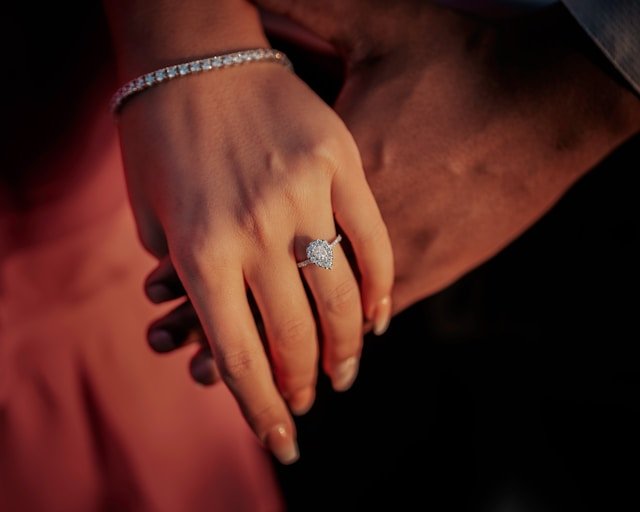
Choosing a Diamond Wedding Band is one of the most meaningful decisions couples make when planning their marriage. A diamond band symbolizes love, commitment, and a lifelong bond, making it essential to find one that reflects both personal style and lasting durability. With endless designs and details to consider, understanding each element makes the selection process much easier.
Why Diamond Wedding Bands Are So Popular
The Diamond Wedding Band remains one of the most cherished choices for couples worldwide. Diamonds have symbolized strength, purity, and everlasting love for centuries. Their brilliance and durability make them perfect for a ring meant to last a lifetime.
What enhances their popularity is their versatility. A diamond band can be minimalistic, glamorous, vintage-inspired, or modern—making it suitable for all personalities. Additionally, diamond wedding bands pair beautifully with engagement rings, allowing couples to create a coordinated and meaningful set. The merging of elegance, durability, and symbolism is what keeps diamond bands at the forefront of wedding jewelry.
Different Types of Diamond Wedding Bands
There are several types of Diamond Wedding Band styles, each offering a unique aesthetic and level of sparkle. Eternity bands feature diamonds wrapped around the entire circumference of the ring. This luxurious option symbolizes endless love but requires careful wear due to full-circle stones.
Half-eternity bands place diamonds only on the top half, offering similar brilliance with added comfort and durability. Channel-set bands secure diamonds between metal walls, creating a clean, sleek appearance. Pavé bands feature small diamonds closely set to create shimmering surfaces. Classic bands combine diamonds with smooth metal for a timeless look. Each style offers something different, catering to both minimalistic and bold tastes.
Also Read This:- Comfort Living: Car Oil Change Routines for Stress-Free Driving
Diamond Cuts Most Commonly Used in Wedding Bands
The diamond cut in a Diamond Wedding Band affects its brilliance and character. Round-cut diamonds are the most popular, known for their intense sparkle and timeless beauty. Princess-cut diamonds offer a modern, geometric appeal with sharp, square edges. Emerald and baguette cuts create a sleek, elongated sparkle perfect for minimalist styles.
Oval and marquise diamonds provide a softer, more elongated shape, ideal for enhancing ring stacks. Mixed-cut bands combine different diamond shapes to create dimension and visual interest. Each diamond cut brings a unique charm, making it essential to choose one that aligns with personal taste and lifestyle.
Band Metals and Their Durability
The metal used in a Diamond Wedding Band contributes significantly to both appearance and durability. Gold remains a classic choice—available in yellow, white, and rose tones. White gold offers a modern silvery look, while yellow gold brings warm, traditional elegance. Rose gold gives a romantic, contemporary vibe.
Platinum is highly durable and hypoallergenic, making it one of the most premium options. Palladium, similar to platinum, is lightweight yet strong. Each metal reacts differently to wear; for example, gold may require occasional polishing, while platinum maintains its strength longer. Choosing the right metal ensures the ring remains beautiful and practical for years.
Diamond Settings and Their Styles
The setting of a Diamond Wedding Band determines how securely and beautifully the diamonds are held in place. Prong settings showcase each stone prominently, allowing optimal light to pass through. Channel settings lock stones between metal walls for a smooth finish ideal for active lifestyles.
Pavé settings create a dazzling surface by placing multiple small diamonds tightly together. Bezel settings wrap diamonds in metal for maximum durability. Flush settings embed the stones within the band, offering a modern and protective design. Each setting style offers a different level of sparkle, security, and personality.
How to Choose a Diamond Wedding Band Based on Lifestyle
Lifestyle plays an important role when selecting a Diamond Wedding Band. Individuals with active or hands-on jobs benefit from durable settings like channel, flush, or low-profile prong designs. Soft metals and high-profile diamonds may be prone to scratches or damage in daily wear.
For someone who prioritizes elegance and sparkle, pavé and eternity bands offer unmatched brilliance. Minimalists might prefer thin bands with subtle diamonds or bezel-set stones. Matching lifestyle to design helps ensure comfort and long-term satisfaction with the ring.
Matching Wedding Bands With Engagement Rings
Many couples choose to pair their Diamond Wedding Band with an engagement ring. Creating a harmonious set requires attention to shape, metal, and style. A curved or contour band fits snugly around engagement rings with large center stones. Straight bands pair well with simpler solitaire engagement rings.
Matching diamond shapes—such as round with round or emerald with baguette—creates a cohesive look. Mixed-metal sets are also popular for those who prefer a modern, contrasting appearance. A well-matched set enhances both rings, creating a polished and intentional look.
Diamond Quality: The 4Cs Explained for Wedding Bands
The 4Cs—cut, clarity, color, and carat—are essential when selecting diamonds for a Diamond Wedding Band. Cut determines sparkle; well-cut diamonds create maximum brilliance. Clarity refers to imperfections; higher clarity means fewer internal marks. Color ranges from icy white to slight warmth, with near-colorless stones offering excellent value.
Carat size affects how noticeable the diamonds appear. Many wedding bands use small diamonds, so selecting well-matched stones in terms of color and clarity creates a uniform, high-quality appearance. Understanding the 4Cs helps buyers balance beauty and budget effectively.
Price Range and What Affects the Cost
The cost of a Diamond Wedding Band varies depending on diamond quality, metal type, craftsmanship, and brand. Eternity bands with diamonds circling the entire ring are typically more expensive due to the sheer number of stones. Higher clarity and premium cuts increase price, while more affordable options often use slightly lower grades that still maintain beauty.
The metal choice also affects cost, with platinum being more expensive than gold. Custom designs or additional engraving can raise the budget. With so many variables, there are options for every price range—from affordable bands to luxury heirloom pieces.
Customization Options for Diamond Wedding Bands
Customization allows couples to design a Diamond Wedding Band that reflects personal style. Popular custom options include selecting specific diamond shapes, mixing metals, choosing engraved messages, or creating unique band patterns.
Some designers offer custom placement of stones or specialized settings that highlight individuality. Whether opting for a subtle change or a fully personalized creation, customization provides sentimental value and ensures the band feels truly one-of-a-kind.
Also Read This:- witch hat Style: Exploring History, Meaning, and Modern Uses
How to Care for and Maintain a Diamond Wedding Band
Maintaining a Diamond Wedding Band keeps it sparkling for years. Regular cleaning with gentle soap and warm water removes daily buildup. Professional cleanings help restore brilliance and check prongs for security. Storing the ring separately prevents scratches from other jewelry.
It’s also important to remove the ring during heavy lifting, intense workouts, or exposure to chemicals. Proper care preserves the beauty, structure, and shine of the band for decades.
Popular Trends in Modern Diamond Wedding Bands
Current trends in Diamond Wedding Band designs highlight individuality and elegance. Thin stackable bands are extremely popular, allowing wearers to layer multiple rings for a personalized look. Mixed-metal designs blend modern and classic elements.
East-west diamond placements, geometric shapes, and oval stone arrangements create sleek contemporary styles. Vintage-inspired bands with milgrain detailing and intricate patterns are also trending, appealing to those who love timeless romance. These trends show that personalization continues to lead modern design.
Final Thoughts on Selecting the Perfect Band
Choosing a Diamond Wedding Band is an emotional and personal experience. With countless styles, metals, and diamond options, understanding the key features ensures you make a confident decision. Whether opting for a classic eternity band, a modern pavé design, or a custom creation, the perfect ring reflects love, commitment, and individual style.
Taking time to explore options, consider lifestyle needs, and appreciate craftsmanship helps you find a band that will shine beautifully throughout your marriage.
FAQs
Are diamond wedding bands durable for everyday wear?
Yes, especially when crafted with strong settings and durable metals.
Which diamond cut is best for wedding bands?
Round and princess cuts are most popular for sparkle and versatility.
Should the wedding band match the engagement ring?
Not always, but matching metals and styles creates a cohesive look.
Is platinum better than gold for wedding bands?
Platinum is more durable, while gold offers more color variety.
How often should a diamond wedding band be cleaned?
Weekly at home and professionally every 6–12 months.
For More Update and Stories Visit: greenpress
