


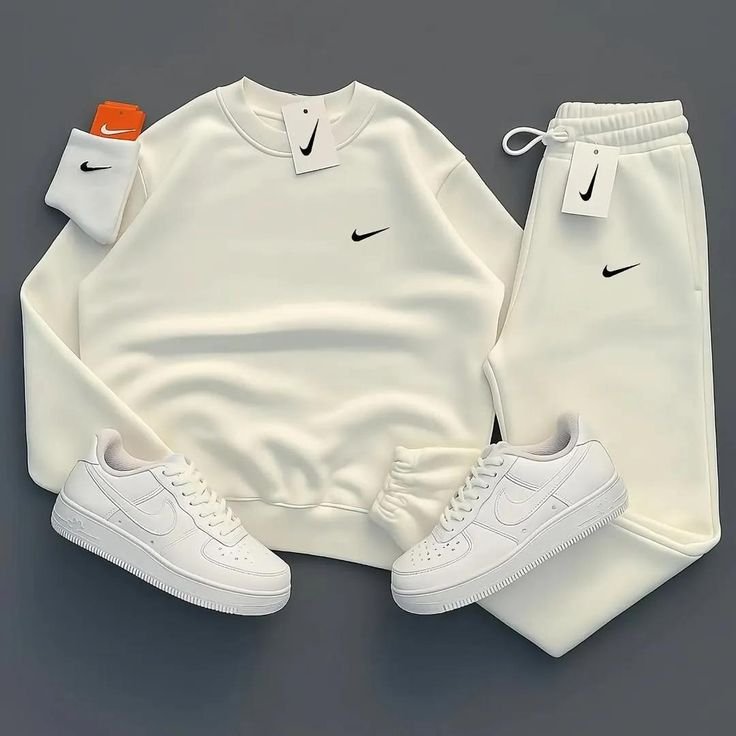
Staying warm in cold weather doesn’t have to mean bulky coats or heavy sweaters. With the right Thermal Wear, you can stay comfortable, dry, and insulated whether you’re commuting, hiking, skiing, or simply running errands on a chilly day. Thermal wear is designed to regulate body temperature through engineered fabrics and smart layering techniques, making it one of the most effective winter essentials for both outdoor enthusiasts and everyday users.
History and Development of Thermal Wear
The evolution of Thermal Wear is rooted in centuries of innovation. Early civilization survived harsh winters using natural insulation like sheepskin, fur, and woven wool. These materials trapped heat effectively, but they were often heavy and limited in flexibility. Thermal wear as we know it today began forming when military forces in cold climates required lightweight, efficient insulation that allowed for mobility. This necessity led to the development of early base layers made from wool, cotton, and early synthetic blends.
As textile science progressed, modern thermal fabrics emerged with features such as moisture-wicking properties, improved elasticity, and temperature regulation. Today’s thermal wear is designed through a mix of engineering and comfort-focused design, featuring fabrics that trap heat efficiently while keeping the body dry, making it suitable for both intense outdoor activities and everyday winter wear.
How Thermal Wear Works
The effectiveness of Thermal Wear relies on how well it retains heat and manages moisture. Thermal fabrics trap warm air close to the skin, forming an insulating layer that prevents body heat from escaping. At the same time, moisture-wicking technology pulls sweat away, keeping the skin dry—crucial for preventing chills in cold weather. By blending insulation, breathability, and stretch, thermal wear maintains warmth without restricting movement. This smart layering science ensures consistent comfort across different environments and activity levels.
Also Read This:- Memorial Necklace Meaning: A Beautiful Way to Keep Memories Close
Types of Thermal Wear
There are several categories of Thermal Wear, each designed to serve a specific purpose:
Base layers are worn closest to the skin and focus on moisture management and light insulation.
Thermal tops come in long-sleeve or short-sleeve options and suit both casual and outdoor use.
Thermal bottoms include leggings and long johns that pair well with outerwear or sports gear.
Bodysuits offer full-body coverage for extreme cold or high-activity settings.
Thermal socks, gloves, and winter sets provide targeted warmth to sensitive areas like toes and fingers.
This wide variety ensures that users can find the perfect combination for their climate and activity.
Materials Used in Thermal Wear
The materials used in Thermal Wear play a major role in insulation quality, breathability, and comfort. Merino wool is highly valued for its temperature-regulating properties, softness, and natural odor resistance. Polyester blends are lightweight, durable, and effective at wicking moisture away from the skin. Fleece offers excellent warmth without adding too much weight, making it ideal for colder environments.
Cotton-blend thermals are breathable but less effective at moisture control, making them better suited for mild cold. Bamboo fabric provides softness and eco-friendly appeal, with surprising thermal efficiency. Advanced synthetics like microfibers and heat-mapping fabrics deliver engineered insulation that adjusts to body temperature. The choice of material depends on personal comfort, activity level, and weather intensity.
Thermal Wear for Different Weather Conditions
Not all Thermal Wear is made for the same climate. For mild cold, lightweight thermals with thinner fabrics are ideal. They allow the skin to breathe while offering enough insulation for everyday wear. In moderate cold, medium-weight layers with enhanced moisture control maintain balance between warmth and comfort.
In freezing temperatures, thicker thermal wear—often featuring fleece-lined interiors or double-layer construction—is necessary. For extreme climates or winter sports, high-performance thermals combine multiple insulation technologies, ensuring heat retention during extended exposure. Understanding your weather needs helps select the best thermal wear for optimal warmth.
Choosing the Right Thermal Wear for Your Activity
Matching Thermal Wear to your activity ensures comfort and performance. For hiking, breathable fabrics with stretch are essential to support movement. For skiing or snowboarding, thermal wear must handle moisture, wind, and layered insulation. For daily commuting, lightweight thermals provide warmth without overheating under jackets or sweaters.
For camping, all-day temperature fluctuation requires thermals that balance warmth with breathability. Workwear thermals should be durable and comfortable for long hours outdoors. Travel-friendly thermals must be packable and versatile. A thoughtful approach ensures your thermal wear complements your specific routine.
Also Read This:- oval cut diamond: A Modern Favorite for Timeless Elegance
Fit and Comfort Considerations
A good fit can greatly enhance the effectiveness of Thermal Wear. It should sit snugly against the skin to trap heat but still allow flexibility and movement. Breathability helps maintain comfort during varied activity levels, while stretch ensures the fabric adapts to body motions.
Fabric thickness also matters—too thick and it may feel bulky; too thin and it may not provide sufficient warmth. Choosing the right fit ensures that the thermals perform well whether layered under outerwear or worn alone indoors.
Thermal Wear for Men, Women, and Children
Design differences in Thermal Wear across age groups and genders focus on comfort and anatomical needs. Men’s thermals typically have broader shoulders, longer torsos, and a slightly looser fit. Women’s thermals often feature tailored shaping, softer fabrics, and more flexible cuts to support natural curves.
Children’s thermal wear prioritizes softness, safety, and easy movement, with lightweight materials suitable for school, play, and outdoor activities. Each category ensures that the wearer benefits from warmth, comfort, and proper insulation.
Layering Techniques with Thermal Wear
Layering correctly maximizes the effectiveness of Thermal Wear. The base layer manages moisture and keeps the skin dry. The mid-layer provides additional insulation with fleece or wool. The outer layer shields against wind, snow, and rain.
This three-layer system adapts well to different temperatures and activities. The base layer keeps heat close, the mid-layer boosts warmth, and the outer layer protects from the elements. Proper layering keeps you warm without overheating.
Care and Washing Instructions
Maintaining your Thermal Wear ensures longevity and performance. Most fabrics require gentle washing in cold water to preserve elasticity. Avoid harsh detergents, as they can break down insulation technology. Air-drying is recommended to maintain fabric softness and prevent shrinkage.
For materials like merino wool, mild soaps preserve natural fibers. Fleece pieces should be washed inside out to prevent pilling, while synthetics stay smooth with simple care. Following care instructions ensures that your thermal wear stays warm and comfortable season after season.
Common Mistakes to Avoid When Buying Thermal Wear
Choosing the wrong Thermal Wear can lead to discomfort or ineffective insulation. One common mistake is selecting the wrong size—too loose and it won’t trap heat properly; too tight and it restricts movement. Another mistake is choosing cotton for very cold weather; although comfortable, cotton absorbs moisture rather than wicking it away.
Ignoring your activity type may also lead to inadequate insulation. For example, everyday thermals may not be enough for intense outdoor sports. Over-layering can also cause overheating. Avoiding these mistakes helps ensure you stay warm and comfortable.
Future Trends in Thermal Wear Technology
The future of Thermal Wear is driven by innovation in textiles and eco-friendly design. Sustainable fabrics made from recycled fibers or plant-based materials are becoming more popular. Smart textiles that adapt to body temperature or weather conditions offer responsive insulation.
Seamless construction enhances comfort and reduces irritation during movement. Heat-mapping technology ensures insulation is strategically placed in areas that lose warmth fastest. These advancements will continue improving the performance and comfort of thermal wear for outdoor and everyday use.
FAQs
What makes thermal wear different from regular clothing?
Thermal wear uses engineered fabrics designed to trap heat and wick moisture, offering better insulation in cold weather.
Can thermal wear be worn indoors?
Yes, lightweight thermals are comfortable for indoor use, especially in cold houses or workplaces.
Is merino wool better than synthetic fabrics?
Both have advantages—merino is natural and breathable, while synthetics offer durability and excellent moisture management.
Can children wear thermal sets daily in winter?
Yes, kids’ thermals are designed for daily comfort, warmth, and easy movement.
How many thermal layers should I wear in freezing weather?
A base layer and mid-layer are usually enough, paired with a proper outer shell.
For More Update and Stories Visit: greenpress
