


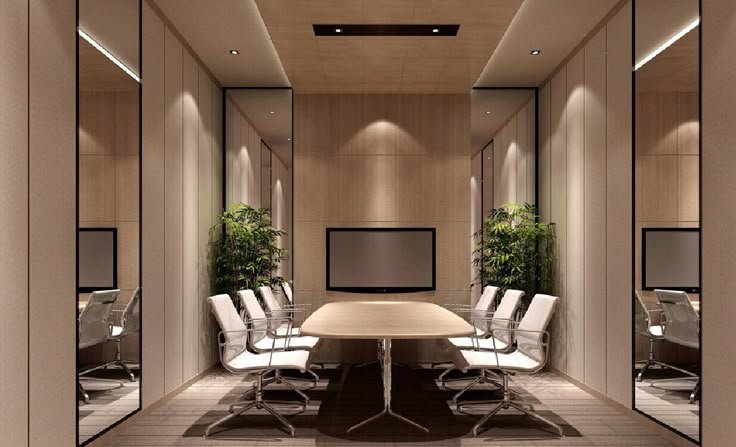
Meeting Rooms are at the heart of collaboration in modern workplaces. Whether used for strategy sessions, client presentations, or hybrid meetings, well-designed meeting rooms enable clear communication, focused discussions, and better decision-making. As work environments evolve, meeting rooms have become more than just enclosed spaces—they are productivity hubs that shape how teams connect and perform.
What Are Meeting Rooms?
Meeting Rooms are designated spaces within workplaces designed to support communication, collaboration, and teamwork. They provide a structured environment where individuals or groups can meet without distractions. From brainstorming sessions to formal negotiations, meeting rooms offer privacy, focus, and the tools necessary for productive discussions. These spaces help align teams, encourage idea-sharing, and support efficient communication across departments and locations.
Types of Meeting Rooms
There are several types of Meeting Rooms, each serving a distinct purpose. Boardrooms are formal spaces used for executive discussions and high-level decision-making. Conference rooms accommodate larger groups and presentations. Huddle rooms are smaller, informal spaces ideal for quick team check-ins. Training rooms support learning sessions and workshops. Each type of meeting room is designed to match specific collaboration needs, ensuring the right environment for every interaction.
Also Read This:- HC Consulting: Driving Business Excellence and Strategic Growth
Why Meeting Rooms Are Important for Businesses
The importance of Meeting Rooms lies in their direct impact on productivity and organizational culture. Well-equipped meeting rooms reduce miscommunication and help teams stay aligned. They promote collaboration by offering a dedicated space for discussion and problem-solving. Effective meeting environments also reflect professionalism, influencing client perception and employee satisfaction. Over time, these spaces contribute to stronger teamwork and better business outcomes.
Key Features of Effective Meeting Rooms
Effective Meeting Rooms share several key features that enhance usability and comfort. A functional layout ensures clear sightlines and easy movement. Ergonomic furniture supports comfort during long discussions. Good acoustics reduce noise and improve clarity. Proper lighting minimizes eye strain and maintains focus. Integrated technology allows seamless presentations and collaboration. Together, these features create a balanced environment that supports both communication and concentration.
Technology Used in Modern Meeting Rooms
Technology plays a central role in modern Meeting Rooms. Video conferencing systems connect remote participants effortlessly. Smart displays enable interactive presentations and real-time collaboration. Digital booking systems help manage room availability efficiently. Collaboration tools allow teams to share content and ideas instantly. When technology is thoughtfully integrated, meeting rooms become dynamic spaces that support both in-person and virtual teamwork.
Design and Layout Considerations for Meeting Rooms
Designing effective Meeting Rooms requires careful consideration of space, comfort, and flexibility. Space planning ensures the room size matches its purpose and capacity. Comfortable seating encourages engagement and focus. Accessibility features ensure inclusivity for all participants. Flexible layouts allow rooms to adapt to different meeting formats. A well-designed meeting room balances aesthetics with functionality, creating an inviting and productive atmosphere.
Biography of a Workplace Design Expert
The professional behind successful Meeting Rooms is often a workplace design expert with a deep understanding of how space influences behavior. This individual combines design principles with practical knowledge to create environments that support collaboration. Known for attention to detail and user-focused solutions, they work closely with organizations to align meeting room design with business goals and work culture.
Age and Professional Background
Workplace design experts specializing in Meeting Rooms typically range from their mid-30s to early 50s. Their background often includes education in interior design, architecture, or facility management. Over the years, they gain experience working with diverse organizations, learning how different teams interact and what environments best support productivity. This experience allows them to design meeting rooms that are both functional and future-ready.
Physical Appearance and Professional Presence
While creativity defines their work, professionals involved in Meeting Rooms design maintain a polished and approachable presence. Their attire reflects professionalism suitable for corporate settings. Their communication style is clear and collaborative, enabling them to translate client needs into practical design solutions. This professional presence helps build trust with stakeholders throughout the design process.
Relationships and Professional Connections
Strong professional relationships are essential in the creation of effective Meeting Rooms. Designers collaborate with clients, architects, technology vendors, and internal teams to ensure seamless execution. Clear communication and teamwork ensure that design intent aligns with technical requirements and organizational goals. These relationships often lead to long-term partnerships and successful project outcomes.
Real-World Applications and Success Outcomes
In real-world applications, well-designed Meeting Rooms lead to measurable improvements in collaboration and efficiency. Teams communicate more clearly, meetings become more focused, and decisions are made faster. Organizations often see improved employee engagement and better client interactions. These outcomes demonstrate how thoughtful meeting room design supports overall business success.
Also Read This:- Supply Chain Optimization Essentials: A Complete Overview for Businesses
Conclusion
Meeting Rooms are no longer just functional spaces—they are strategic assets that influence communication, collaboration, and productivity. As workplaces continue to evolve, investing in well-designed meeting rooms becomes essential. By combining smart design, modern technology, and user-focused planning, organizations can create meeting environments that support innovation, flexibility, and long-term success.
FAQs
What is the main purpose of meeting rooms?
Meeting rooms provide a dedicated space for communication, collaboration, and focused discussions.
How do meeting rooms impact productivity?
Well-designed meeting rooms reduce distractions and improve communication, leading to more effective meetings.
Are meeting rooms important for hybrid work?
Yes, they support seamless collaboration between in-office and remote participants.
What technology is essential in modern meeting rooms?
Video conferencing, smart displays, and collaboration tools are commonly used.
Can meeting rooms improve company culture?
Yes, effective meeting spaces encourage teamwork, transparency, and engagement.
For More Update and Stories Visit: greenpress
