


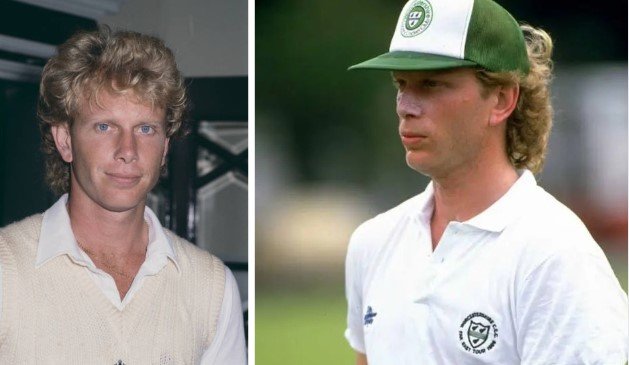
Graham Dilley was one of those rare English cricketers who left a lasting impression not only through his pace bowling but also through his humble character and sportsmanship. Known for his smooth bowling action and fighting spirit, he became a symbol of determination for young cricketers across England. His story is one of talent, perseverance, and passion for the game.
Quick Bio
| Full Name | Graham Roy Dilley |
|---|---|
| Date of Birth | 18 May 1959 |
| Place of Birth | Dartford, Kent, England |
| Date of Death | 5 October 2011 |
| Playing Role | Fast Bowler |
| Batting Style | Left-handed |
| Bowling Style | Right-arm fast-medium |
| International Debut (Test) | 13 December 1979 vs Australia |
| International Debut (ODI) | 24 August 1980 vs West Indies |
| Major Teams | England, Kent, Worcestershire |
| Career Span | 1979 – 1989 |
Early Life and Background

Graham Dilley was born in Dartford, KentGraham Dilley was born in Dartford, Kent, a region known for producing talented cricketers. From a young age, he displayed an exceptional ability to bowl fast and generate bounce even on lifeless pitches. Cricket was more than a sport for him—it was a passion nurtured in the playgrounds of Kent. His coaches and mentors soon recognized that this tall and energetic youngster had the makings of a genuine fast bowler.
Growing up in the 1960s and 70s, Dilley was inspired by England’s pace legends like Bob Willis and John Snow. He honed his skills in local matches before being selected for Kent’s youth teams. By his late teens, he was already clocking impressive speeds and troubling batsmen with his late movement and accuracy. His consistent performances quickly earned him a reputation as one of Kent’s most promising young bowlers.
Rise in Domestic Cricket
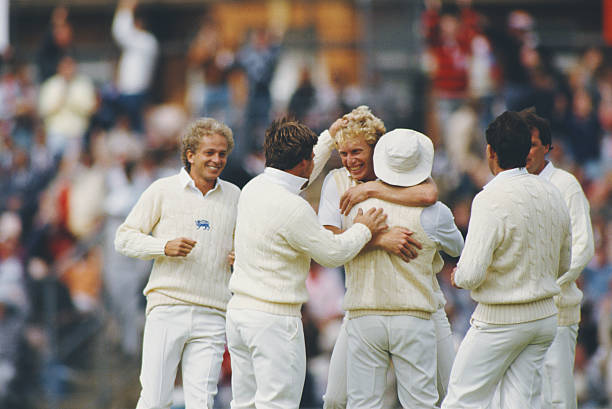
Graham Dilley began his professional journey with Kent County Cricket Club, where he rapidly evolved into one of the most promising fast bowlers in the English domestic circuit. His smooth run-up and fluid action drew praise from critics and teammates alike. During his early seasons, he learned to maintain consistency, using both seam and swing to outfox batsmen.
He quickly became a crucial part of Kent’s bowling lineup. His dedication to fitness and ability to bowl long spells helped Kent secure vital wins. Over time, Dilley’s performances caught the attention of national selectors, and his name began circulating as one of the top prospects for the England team.
International Debut and Early Challenges
In December 1979, Graham Dilley made his Test debut against Australia during the Ashes series. Facing the aggressive Australian batting lineup was no easy task for a young bowler, but Dilley showed immense courage and composure. His pace and determination stood out, although consistency took time to develop at the international level.
Like many young fast bowlers, Dilley faced challenges—injuries, form fluctuations, and the pressure of performing on the world stage. Yet, his attitude remained positive. He worked closely with senior bowlers like Ian Botham and Bob Willis, absorbing their advice and refining his techniques.
Famous Partnership with Ian Botham
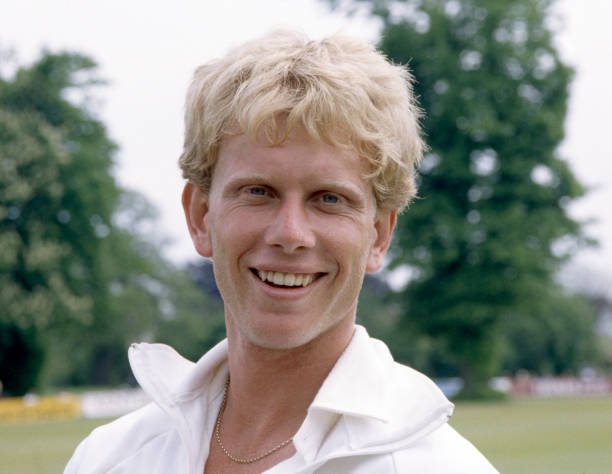
One of the most iconic moments in Graham Dilley’s career came during the 1981 Ashes Test at Headingley, often remembered as one of the greatest comebacks in cricket history. England was struggling at 135 for 7, facing certain defeat against Australia. Dilley joined Ian Botham at the crease, and what followed became part of cricket folklore.
Despite being primarily a bowler, Dilley batted with fearless intent, smashing boundaries and frustrating the Australian bowlers. His partnership of 117 runs with Botham turned the match around completely. England went on to win the Test, and that victory is still celebrated as one of the most thrilling moments in English cricket. Dilley’s counterattacking innings of 56 runs symbolized his fighting spirit and never-give-up attitude.
Peak Years in International Cricket
Following the Headingley heroics, Graham Dilley became a regular feature in the England squad. Between 1981 and 1984, he produced some of his best spells, often breaking partnerships and providing crucial breakthroughs. His pace, combined with natural swing, made him a threat on any surface.
He was known for his ability to adapt—bowling aggressively on lively pitches and maintaining discipline on flat tracks. His career-best figures of 6 for 38 against Pakistan remain a testament to his bowling brilliance. Dilley was never just about wickets; he was about heart, discipline, and teamwork.
Injuries and Setbacks
Unfortunately, Dilley’s career was plagued by injuries. The stress and strain of fast bowling often took a toll on his body, particularly his back and knees. Repeated injuries forced him to miss several important series. Despite his resilience, maintaining top form became increasingly difficult.
Even during recovery periods, Dilley remained committed to the game. He trained hard, worked on his technique, and mentored younger bowlers whenever possible. His passion for cricket was unshakeable, and his teammates admired his perseverance.
County Cricket with Worcestershire
After his successful stint with Kent, Graham Dilley joined Worcestershire, where he added a new dimension to their bowling attack. Playing under a different environment rejuvenated his career. With his experience and leadership, Worcestershire achieved significant success in the county circuit, winning trophies and dominating opponents.
Dilley became a guiding figure for young bowlers, sharing his knowledge and experience both on and off the field. His presence brought stability and confidence to the team, and his contributions were instrumental in Worcestershire’s golden period during the 1980s.
Coaching and Mentorship
After retiring from professional cricket in 1989, Graham Dilley transitioned smoothly into coaching. He served as a bowling coach at Loughborough University, where he helped nurture a new generation of English cricketers. His technical knowledge and calm personality made him a respected figure among budding fast bowlers.
Many players who trained under him later represented England at various levels. Dilley’s emphasis on technique, fitness, and mental strength left a lasting impact on England’s cricketing structure. His legacy as a coach was as strong as his legacy as a player.
Personal Life and Character
Off the field, Graham Dilley was known for his humility and kindness. He was a family man who valued integrity and sportsmanship above all. Friends described him as soft-spoken, thoughtful, and deeply dedicated to the people he cared about.
Despite the fame and attention that came with his cricketing success, Dilley remained grounded. His simple nature and approachable attitude made him a beloved figure among fans, teammates, and students alike.
Legacy and Influence on English Cricket
Graham Dilley’s influence on English cricket extends far beyond his playing days. He represented the true spirit of English fast bowling—courage, commitment, and consistency. His performances in crucial matches inspired generations of cricketers to believe in themselves, even under pressure.
As a coach and mentor, he laid the foundation for many successful bowlers who followed in his footsteps. His dedication to improving England’s pace bowling culture continues to resonate across cricket academies and coaching programs in the country.
Tributes and Remembering a Legend
When Graham Dilley passed away on 5 October 2011, the cricketing world mourned the loss of a genuine legend. Tributes poured in from former teammates, cricket boards, and fans. Ian Botham described him as “one of the nicest men you could ever meet,” while others remembered him for his humor, honesty, and loyalty.
Even years after his passing, Dilley’s name remains synonymous with perseverance and passion for cricket. His memory continues to inspire young players who look up to him as a role model both on and off the field.
Conclusion
The story of Graham Dilley is one of quiet greatness. He may not have been the flashiest player, but his contribution to English cricket is undeniable. From his heroic stand at Headingley to his dedicated coaching years, Dilley’s life was defined by hard work, humility, and heart. His journey reminds us that true legends are not only made by statistics but also by the values they uphold.
FAQs
Who was Graham Dilley?
Graham Dilley was an English fast bowler who represented England between 1979 and 1989, known for his crucial role in the 1981 Ashes Test at Headingley.
What was Graham Dilley’s most famous match?
His partnership with Ian Botham in the 1981 Ashes Test at Headingley, where their stand helped England secure a historic victory.
Which counties did Graham Dilley play for?
He played for Kent and Worcestershire in county cricket.
What was Graham Dilley’s playing style?
He was a right-arm fast-medium bowler and a left-handed lower-order batsman.
When did Graham Dilley pass away?
He passed away on 5 October 2011, aged 52.
For More Update and Stories Visit: greenpress
