



Among the many voices that helped shape Ireland’s literary identity in the 20th century, Ian Macpherson stands out as a distinctive figure whose works blended realism, humor, and deep cultural reflection. Known for his insightful exploration of Irish life and identity, Macpherson’s writing continues to be appreciated for its wit and sincerity. Though his life was relatively short, his influence on Irish literature remains profound and enduring.
Quick Bio
| Full Name | Ian Macpherson |
|---|---|
| Date of Birth | September 24, 1905 |
| Place of Birth | Glasgow, Scotland (of Irish parentage) |
| Nationality | Irish (of Scottish birth) |
| Profession | Novelist, Essayist, Writer |
| Famous For | Shepherds’ Calendar (1931), Wild Oats (1933) |
| Education | University of Glasgow |
| Genres | Fiction, Modernist Literature, Irish Realism |
| Writing Themes | Irish identity, humor, everyday life, social change |
| Years Active | 1920s–1940s |
| Date of Death | 1944 (aged 38–39) |
| Legacy | Celebrated as an influential Irish writer with a sharp, humanistic style |
Early Life and Background

Ian Macpherson was born on September 24, 1905, in Glasgow, Scotland, to Irish parents. His Irish roots played a significant role in shaping both his worldview and his literary voice. Though born in Scotland, Macpherson identified deeply with his Irish heritage, which would later emerge as a central element in his works. Growing up in a family that valued language and storytelling, he developed an early fascination with literature and the art of expression.
From a young age, Macpherson was drawn to the nuances of human life — the humor, the struggles, and the emotions that defined everyday existence. This sensitivity later became the defining feature of his writing, allowing him to capture both the humor and hardship of Irish society during times of great change.
Age and Date of Birth

Born in 1905, Ian Macpherson belonged to a generation of writers who came of age during a transformative period in Irish history. He lived through Ireland’s turbulent political and cultural shifts — the struggle for independence, the formation of the Irish Free State, and the economic hardships that followed. These experiences shaped his worldview and provided a rich backdrop for his literary works.
Macpherson’s writing reflects a keen awareness of his time. His characters often mirror the conflicts of identity, belonging, and cultural pride that many Irish people experienced in the early 20th century. Though his life was cut short in 1944, his literary contributions continue to speak to readers decades later.
Physical Appearance
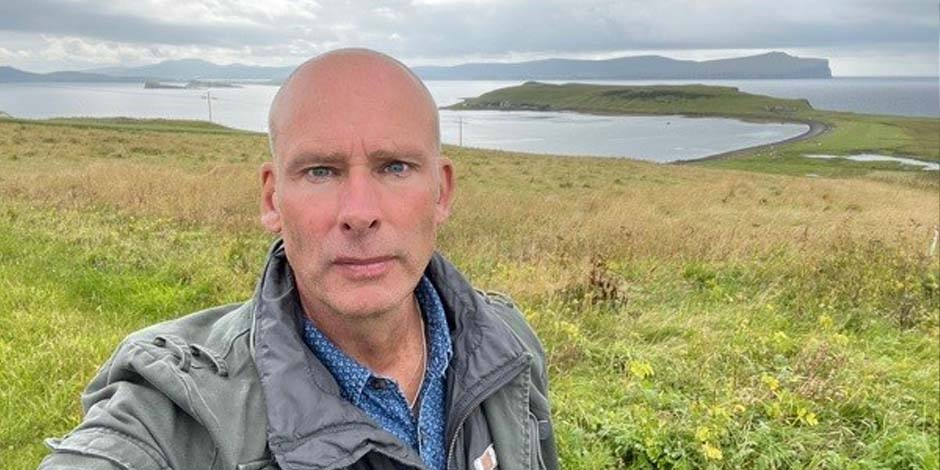
While limited photographs of Ian Macpherson exist, contemporary descriptions portray him as a thoughtful and soft-spoken man with an intellectual yet approachable demeanor. He was known to have a slender build and expressive eyes that hinted at his reflective nature. His modesty and humor made him popular among peers, while his quiet confidence inspired respect in literary circles.
Macpherson’s appearance and mannerisms reflected the same qualities found in his writing — intelligent, observant, and deeply human. His presence was said to be calm yet charismatic, embodying the introspective energy of a writer immersed in his craft.
Education and Early Interests
Ian Macpherson pursued higher education at the University of Glasgow, where he studied literature and the arts. His academic journey allowed him to explore a wide range of influences, from Irish folklore and poetry to European modernism. During his university years, he developed a fascination with Irish identity and language, often immersing himself in the works of James Joyce, W.B. Yeats, and George Moore.
His early writings reflected an evolving talent — humorous yet profound, witty yet empathetic. Macpherson also had a deep love for music and theater, both of which influenced his sense of rhythm and dialogue in storytelling. By the time he completed his studies, he had already begun to write short stories and essays that hinted at his emerging literary potential.
Career Beginnings
After graduating, Ian Macpherson began his career as a writer and editor. His first notable work, Shepherds’ Calendar (1931), gained critical attention for its lyrical prose and authentic portrayal of rural Irish life. This debut novel established him as a writer with a distinctive voice — one capable of blending realism with poetic sensitivity.
Macpherson’s career took shape during a period when Irish literature was undergoing a renaissance. Writers were beginning to explore new perspectives on identity, language, and national pride. Macpherson stood out among his peers for his ability to blend humor with social commentary, offering readers stories that were both entertaining and thought-provoking.
Rise to Prominence
Ian Macpherson gained wider recognition with his second novel, Wild Oats (1933), a work praised for its sharp wit and satirical take on modern Irish society. Critics admired his ability to weave humor into serious themes, capturing the contradictions of life in post-independence Ireland.
His writing resonated with readers because it reflected everyday people — farmers, laborers, dreamers, and intellectuals — all navigating the challenges of change. Through his stories, Macpherson gave voice to a generation caught between tradition and modernity. By the mid-1930s, he was considered one of Ireland’s most promising young writers.
Writing Style and Literary Influence
The writing of Ian Macpherson is marked by its humor, realism, and human warmth. He had an exceptional gift for observing life’s small details and turning them into powerful literary moments. His prose is straightforward yet poetic, full of wit and emotional intelligence.
A defining aspect of his work is its focus on Irish identity — not just in terms of nationality, but as a broader reflection of character, values, and everyday struggles. Macpherson’s humor often served as a tool for critique, allowing him to explore themes such as poverty, pride, and resilience without losing compassion for his characters.
His influence can be traced in later generations of Irish writers who admired his ability to balance humor with social insight. Authors who came after him often cited his realism and emotional honesty as inspiration for their own works.
Major Works and Achievements
The most acclaimed works of Ian Macpherson include Shepherds’ Calendar (1931) and Wild Oats (1933). Shepherds’ Calendar was celebrated for its vivid depiction of rural Ireland and its lyrical exploration of ordinary life, while Wild Oats showcased his sharp wit and satirical brilliance.
His works were published during a time of significant cultural change, and critics recognized his contribution to defining Ireland’s modern literary voice. Though he passed away in 1944 at a young age, his novels continued to be studied and appreciated for their authenticity and humor.
In addition to his fiction, Macpherson also contributed essays and short stories to Irish literary journals, where he explored social themes, Irish folklore, and modern thought.
Personal Life and Relationships
Despite his growing fame, Ian Macpherson led a relatively private life. He was known among friends for his warmth, intelligence, and gentle humor. His personal relationships reflected the same depth and sincerity found in his writing.
Although little is recorded about his romantic life, it is believed that his personal experiences — including love, loss, and the complexities of identity — influenced his work deeply. His writings often reveal a compassionate understanding of human emotions, suggesting a man who observed life not just with intellect but with heart.
Collaborations and Connections
Throughout his career, Ian Macpherson maintained friendships with several notable Irish and British writers. He was part of a growing literary movement that sought to redefine Irish culture through modernist ideas. His peers admired his originality, and his works were often discussed in the same circles as contemporary figures who shaped Irish literature between the wars.
Macpherson’s participation in literary discussions and journals helped nurture a generation of writers who viewed literature as both an art form and a means of cultural preservation.
Legacy and Influence
The literary legacy of Ian Macpherson endures through his distinctive voice and his ability to portray Irish life with honesty and humor. His works capture the essence of Ireland during a time of change, preserving the values and spirit of a nation through storytelling.
Today, Macpherson’s novels and essays continue to be studied by scholars interested in early 20th-century Irish literature. His ability to combine realism, humor, and human compassion ensures that his voice remains relevant in literary discussions. Despite his early death, his work represents a timeless reflection of Irish resilience and creativity.
Conclusion
Ian Macpherson was more than a writer; he was a chronicler of the Irish soul. His stories, filled with humor and humanity, continue to resonate because they speak to universal experiences — love, struggle, identity, and the search for belonging. Though his career was brief, his impact on Irish literature remains significant. Through his words, Macpherson captured not only the life of his generation but also the enduring spirit of Ireland itself.
FAQs
Who is Ian Macpherson?
Ian Macpherson was an Irish writer and novelist known for his insightful and humorous portrayal of Irish life and culture in the early 20th century.
Where was Ian Macpherson born?
He was born in Glasgow, Scotland, on September 24, 1905, to Irish parents and strongly identified with his Irish heritage.
What is Ian Macpherson famous for?
He is best known for his novels Shepherds’ Calendar and Wild Oats, which explore Irish society with realism and wit.
What was Ian Macpherson’s writing style?
Ian Macpherson was admired for his honest, humorous, and human-centered storytelling that reflected Ireland’s cultural identity.
What themes did Ian Macpherson explore?
His works focused on Irish identity, everyday struggles, humor, and the social transformations of his era.
Where did Ian Macpherson study?
He studied literature and the arts at the University of Glasgow, where he developed his literary voice.
Did Ian Macpherson win any awards?
While he did not receive major awards during his lifetime, his works have been praised and studied for their lasting literary value.
Was Ian Macpherson married?
Details of his personal relationships remain private, though his writings reflect a deep understanding of human emotion and love.
When did Ian Macpherson die?
Ian Macpherson passed away in 1944, at the young age of 38 or 39, leaving behind an enduring literary legacy.
Why is Ian Macpherson important in Irish literature?
He is celebrated for capturing the humor, humanity, and resilience of Irish life, influencing generations of Irish writers.
For More Update and Stories Visit: greenpress
