


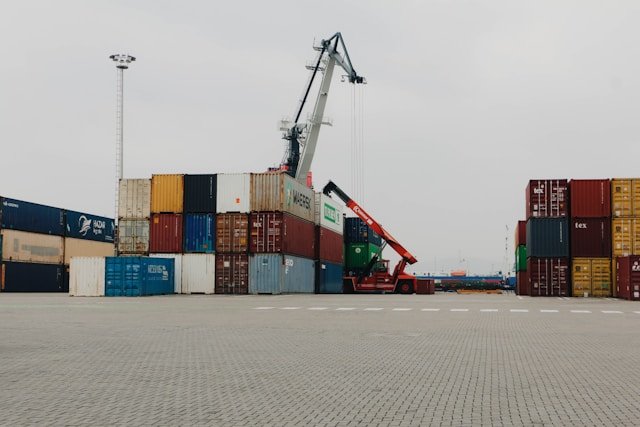
Supply Chain Optimization is one of the most important strategies for business that want to reduce costs, improve efficiency, and build long-lasting competitive advantage. As markets evolve and customer expectations rise, companies must strengthen every stage of their supply chain to remain agile and resilient.
Why Supply Chain Optimization Matters for Modern Businesses
In today’s fast-changing global environment, Supply Chain Optimization plays a critical role in helping companies deliver quality products at the right time and at the lowest possible cost. Businesses face challenges such as fluctuating demand, global competition, labor shortages, and transportation bottlenecks. Without an optimized supply chain, companies struggle to stay profitable and responsive.
Optimization helps businesses streamline processes, reduce waste, and improve coordination among suppliers, manufacturers, and distributors. It also strengthens a company’s ability to respond to disruptions, which is essential during unpredictable market conditions. A well-optimized supply chain enhances customer satisfaction by ensuring better product availability, faster delivery times, and more accurate order fulfillment. Ultimately, optimization is not just a cost-saving approach; it is a strategic investment in long-term business growth.
Also Read This:- Business Insights Through the Lens of Blink Fitness
Key Components of an Optimized Supply Chain
A successful Supply Chain Optimization strategy includes several key components that must work together seamlessly. The first is demand planning, which helps predict future requirements based on historical trends and market insights. Procurement management ensures businesses obtain materials at the right price and quality. Production planning coordinates manufacturing schedules for maximum efficiency.
Another critical element is inventory management, which balances product availability with storage costs. Logistics and transportation ensure timely movement of goods, while supplier collaboration strengthens relationships and improves reliability. These components form the foundation of a fully optimized supply chain, enabling companies to operate smoothly at every stage.
Role of Technology in Supply Chain Optimization
Technology is the backbone of modern Supply Chain Optimization. Businesses rely on advanced tools to automate processes, improve visibility, and make data-driven decisions. Technologies like cloud computing, IoT sensors, and real-time tracking systems enhance monitoring of inventory, shipments, and production lines.
Software solutions such as ERP platforms, Warehouse Management Systems, and Transportation Management Systems centralize operations and help teams collaborate more effectively. Technology not only accelerates operations but also reduces errors, improves transparency, and supports better decision-making. In a competitive global market, companies using innovative technology gain a significant edge.
Data Analytics and Forecasting in Supply Chain Efficiency
Data analytics is essential to Supply Chain Optimization because it turns raw information into valuable insights. By analyzing demand patterns, seasonal trends, and market behavior, companies can make more accurate forecasts. Forecasting tools help businesses prepare for spikes or drops in demand, preventing shortages and overstock situations.
Predictive analytics, machine learning, and statistical modeling play vital roles in improving forecasting accuracy. Detailed analytics also help identify inefficiencies, such as delays, long lead times, or high transportation costs. When businesses use data effectively, they can make smarter decisions that reduce waste and strengthen operational performance.
Inventory Management Strategies
Inventory is one of the most influential factors in Supply Chain Optimization. Poor inventory decisions lead to excess storage costs, product shortages, and lost sales. Companies use strategies like Just-in-Time, ABC analysis, and safety stock optimization to maintain the right balance.
Modern inventory techniques focus on real-time monitoring, automated replenishment, and minimizing carrying costs. Businesses that optimize inventory gain greater flexibility, reduce operational expenses, and improve overall cash flow. Efficient inventory management ensures the right products reach customers at the right time.
Supplier Relationship Management
Strong supplier partnerships are essential for effective Supply Chain Optimization. Businesses rely on suppliers for raw materials, services, and products, so maintaining positive and transparent relationships is crucial. Good supplier management enhances reliability, reduces delays, and improves negotiation outcomes.
Companies often use performance metrics such as delivery accuracy, cost efficiency, and product quality to evaluate suppliers. Collaborative communication allows both parties to work toward shared goals and solve problems quickly. When suppliers and businesses operate as partners rather than competitors, overall supply chain performance improves significantly.
Logistics and Transportation Optimization
Transportation represents a major portion of supply chain costs, making logistics optimization critical for Supply Chain Optimization. Businesses must choose the most efficient transportation routes, carriers, and shipping methods. Effective logistics planning minimizes delays, reduces fuel consumption, and improves delivery accuracy.
Route optimization tools help companies identify the fastest and most cost-effective transport paths. Warehouse layout improvements also play a role by speeding up loading and unloading times. A streamlined logistics network enhances customer satisfaction and strengthens business competitiveness.
Automation and AI in Supply Chain Operations
Automation and artificial intelligence are transforming Supply Chain Optimization at every level. Automated machinery speeds up production, reduces labor costs, and enhances accuracy. AI-driven tools predict demand, optimize routing, and monitor inventory levels instantly.
Robotic process automation supports repetitive tasks like data entry, order processing, and shipment scheduling. Meanwhile, AI-powered analytics provide real-time insights to help companies adapt quickly. Businesses that embrace automation and AI achieve higher efficiency and reduce the risk of human error.
Also Read This:- Inside the Lycoming Housing Authority: Innovation at the Core of Its Business Model
Risk Management and Supply Chain Resilience
One of the essential aspects of Supply Chain Optimization is managing risks and ensuring resilience. Global supply chains face threats like natural disasters, economic fluctuations, labor strikes, and transportation disruptions. Companies must identify vulnerabilities and create contingency plans to reduce the impact of unexpected events.
Diversifying suppliers, maintaining safety stock, and using risk-monitoring tools enhance resilience. Supply chain resilience ensures that businesses continue operating even during disruptions. Companies that prioritize risk management recover faster and maintain customer trust.
Sustainability in Supply Chain Optimization
Sustainability has become a major focus in Supply Chain Optimization, as customers and governments demand environmentally responsible practices. Companies are reducing waste, minimizing carbon footprint, and adopting eco-friendly sourcing methods. Sustainable supply chains use renewable materials, energy-efficient transportation, and environmentally conscious packaging.
A sustainable approach not only benefits the planet but also improves brand reputation and long-term profitability. Businesses that integrate sustainability into their supply chain create stronger, more ethical operations that appeal to modern consumers.
Real-World Examples of Successful Optimization
Several global companies demonstrate the power of successful Supply Chain Optimization. For example, major retailers use predictive analytics and automation to streamline inventory management and reduce delivery times. Technology companies adopt global sourcing strategies to balance cost and quality, ensuring consistent production flow.
Manufacturers use AI-driven tools to forecast demand, reduce waste, and maintain lean operations. Logistics companies optimize routes and fuel usage to minimize costs and emissions. These examples show how optimization leads to measurable improvements in efficiency, customer satisfaction, and profit margins.
Conclusion
Mastering Supply Chain Optimization is essential for businesses that want to stay competitive, efficient, and adaptable in the modern global landscape. From leveraging technology and data analytics to improving supplier relationships and reducing risks, optimization strengthens every stage of the supply chain. A well-optimized supply chain enhances customer satisfaction, lowers operational costs, and ensures resilience during disruptions. As industries continue to evolve, companies that prioritize optimization will lead the way in innovation, sustainability, and long-term success.
FAQs
What is supply chain optimization?
It is the process of improving supply chain operations to reduce costs, increase efficiency, and enhance performance.
Why is optimization important for businesses?
It helps companies stay competitive, improve delivery accuracy, and reduce operational waste.
How does technology support supply chain optimization?
Technology enhances visibility, automates tasks, and provides real-time data for better decision-making.
What role does inventory management play in optimization?
It ensures the right products are available without overstocking, reducing overall costs.
How can companies reduce supply chain risks?
By diversifying suppliers, improving forecasting, and creating strong contingency plans.
For More Update and Stories Visit: greenpress
