


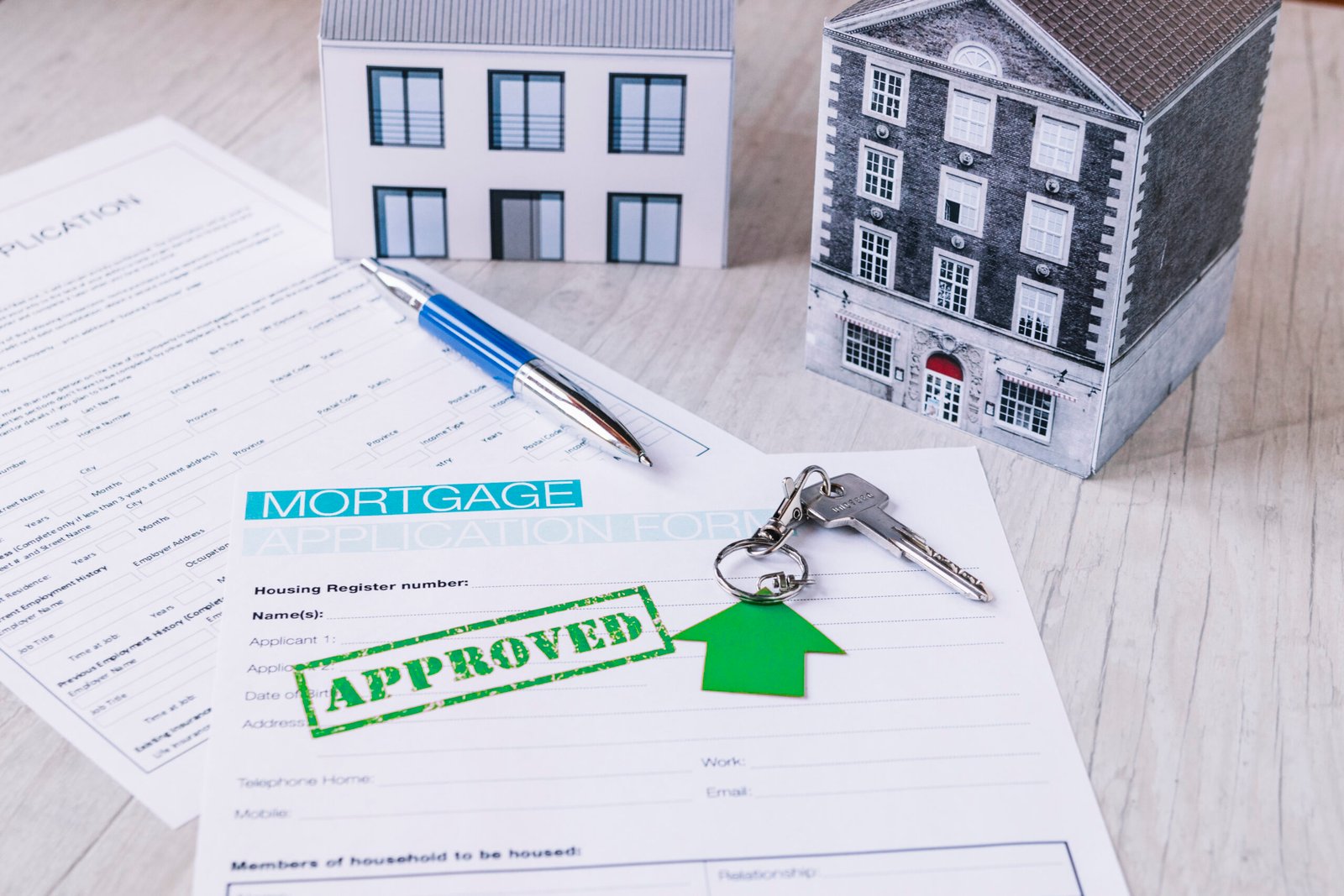
The Lycoming Housing Authority began its journey in 1969, during a period when federal and local governments were expanding efforts to improve access to affordable housing. Over the decades, the authority has grown from a small local agency into a comprehensive housing organization serving hundreds of residents across Lycoming County. Its evolution reflects the changing needs of the community, economic shifts, and the growing demand for stable housing for families, seniors, and individuals with disabilities. Today, the authority stands as a cornerstone of regional housing support, recognized for its long-term commitment to equity, safety, and community well-being.
Services and Programs Offered
The Lycoming Housing Authority delivers a wide range of services designed to ensure residents have access to safe and affordable housing. One of its core offerings is the public housing program, which provides government-subsidized housing options in well-maintained apartment communities throughout the county. These properties are managed to meet federal standards for safety, maintenance, and long-term livability.
Another essential program is the Housing Choice Voucher Program, also known as Section 8. This service helps eligible individuals and families secure housing in the private rental market with financial assistance that is based on income. It offers flexibility and choice, allowing residents to find homes that fit their needs while still receiving rental support.
In addition to residential programs, the authority also offers supportive services. These include resident education, community engagement initiatives, and assistance programs that help families become more self-sufficient. From youth support to senior wellness assistance, the services demonstrate the authority’s commitment to building stronger, healthier communities. These offerings make the Lycoming Housing Authority an essential resource for local residents seeking stability and long-term progress.
Understanding the LHA Business Model
The business model of the Lycoming Housing Authority is built on public funding, responsible management, and strategic planning. The authority receives federal funding primarily from the U.S. Department of Housing and Urban Development (HUD). This funding supports rental assistance programs, housing maintenance, property upgrades, and administrative operations.
A key aspect of its operational model is compliance. The authority must meet strict guidelines set by HUD and state regulatory bodies to qualify for continued funding. This includes regular inspections, financial reporting, safety standards, and long-term planning.
Another cornerstone of its business model is sustainable property management. LHA manages multiple housing complexes throughout the county, ensuring that each property remains safe, clean, and energy-efficient. Through careful budgeting and strategic investment in maintenance, the authority reduces long-term costs while improving resident satisfaction.
Finally, its business model includes collaboration with local agencies, developers, and community partners. These collaborations help expand services, secure grants, and enhance community development projects. Together, these pieces create a stable, sustainable model designed to keep affordable housing available for generations.
Innovative Housing Solutions and Modern Initiatives
Innovation is essential for housing authorities facing rising costs and growing demand. The Lycoming Housing Authority has introduced several modern initiatives to keep its communities strong and functional. Digital systems have become central to its operations, allowing residents to submit applications online, pay rent electronically, and access essential service information more easily. This streamlines communication and reduces administrative delays.
Sustainable housing projects are another innovative step. The authority has incorporated energy-efficient appliances, improved insulation, and eco-friendly building materials into its properties. These upgrades reduce utility costs for both the authority and its residents, making housing more affordable and environmentally responsible.
Community development remains a major focus. LHA works closely with local partners to promote neighborhood revitalization, improve public spaces, and support community events. These initiatives help foster a sense of belonging while enhancing property values and improving quality of life for residents.
Economic Impact on Local Business and Community Growth
The Lycoming Housing Authority plays a significant role in the economic health of Lycoming County. By managing multiple housing developments, the authority supports local contractors, maintenance workers, landscapers, and service providers. This creates a steady flow of jobs and contributes to the stability of the local workforce.
Affordable housing also strengthens the local economy by helping residents maintain stable employment. When individuals have secure housing, they are better able to work, pursue education, and contribute to the local economy. This long-term stability benefits businesses, schools, and public services throughout the region.
The authority also participates in local redevelopment efforts that enhance neighborhoods and encourage private investment. By improving the appearance and functionality of housing communities, the Lycoming Housing Authority contributes to safer, healthier, and more attractive neighborhoods, which supports long-term growth.
Also Read This:- Comcast Email: What You Need to Know About Xfinity Email Service
Community & Government Relations
Strong community and government partnerships are essential to the mission of the Lycoming Housing Authority. The authority works closely with municipal offices, local agencies, county officials, and federal partners to implement housing programs and support community needs. These relationships ensure efficient coordination and help secure necessary funding.
Government partnerships also allow the authority to align with state and national housing goals, ensuring compliance and support for new initiatives. Regular meetings with city and township officials enable the authority to remain informed about community growth, zoning changes, and development priorities.
Community relationships are equally important. The authority collaborates with local nonprofits, volunteer groups, and service organizations to provide educational workshops, health programs, and supportive resources. These partnerships enhance the quality of life within housing communities and ensure residents receive comprehensive support beyond housing alone.
Partnerships and Organizational “Relationships”
The Lycoming Housing Authority has built a network of strong partnerships that expand its reach and improve its impact. Collaboration with schools helps provide educational resources for children and families living in its communities. These partnerships include tutoring, youth programs, and career readiness opportunities.
Healthcare organizations are another key partner. Through wellness programs, health screenings, and mental-health support, residents receive essential services that promote long-term well-being. Social service agencies offer additional support for seniors, individuals with disabilities, and families navigating financial challenges.
The authority also works with private developers and housing experts to enhance property development and modernization. These relationships help secure grants, attract new investment, and improve the efficiency of construction and renovation projects.
Success Stories and Case Studies
Across the county, the Lycoming Housing Authority has contributed to meaningful success stories that highlight its impact. Many residents have transitioned from assisted housing into homeownership after gaining stability and financial independence through its programs. Senior residents often share success stories related to improved health and enhanced social engagement within supportive communities.
Community revitalization projects have also shown positive results. Several formerly underused spaces have been transformed into safe, vibrant housing areas. These developments create stronger neighborhoods and bring new life to older properties.
Case studies often highlight the authority’s role in emergency housing solutions, particularly during economic downturns or natural disasters. Many families credit LHA with providing crucial stability during difficult times.
Also Read This:- odoo erp Insights: A Complete Business Management Guide
Challenges and Future Opportunities
Like many housing authorities, the Lycoming Housing Authority faces challenges such as limited funding, rising construction costs, and increasing demand for affordable housing. Long waiting lists and aging buildings present ongoing obstacles that require careful planning and strategic investment.
However, these challenges also present opportunities. New grant programs, energy-efficiency projects, and potential redevelopment initiatives offer room for innovation. Expanding digital services, partnering with private developers, and exploring new construction models could help the authority meet growing needs.
Future plans may include expanding housing availability, improving existing facilities, and continuing to develop community-oriented programs that support long-term resident success.
Conclusion
The Lycoming Housing Authority remains a vital pillar of support for residents across Lycoming County. Through innovative solutions, strong partnerships, and a sustainable business model, the authority continues to provide safe, affordable housing while strengthening the broader community. Its forward-thinking approach ensures that it will remain a valuable resource for generations to come.
FAQs
What services does the Lycoming Housing Authority provide?
It offers public housing, rental assistance vouchers, supportive services, and community programs.
How does the Housing Choice Voucher Program work?
Eligible families receive rental assistance to help pay for housing in the private rental market.
Does the authority work with local organizations?
Yes, it partners with schools, healthcare groups, nonprofits, and government agencies.
For More Update and Stories Visit: greenpress
